
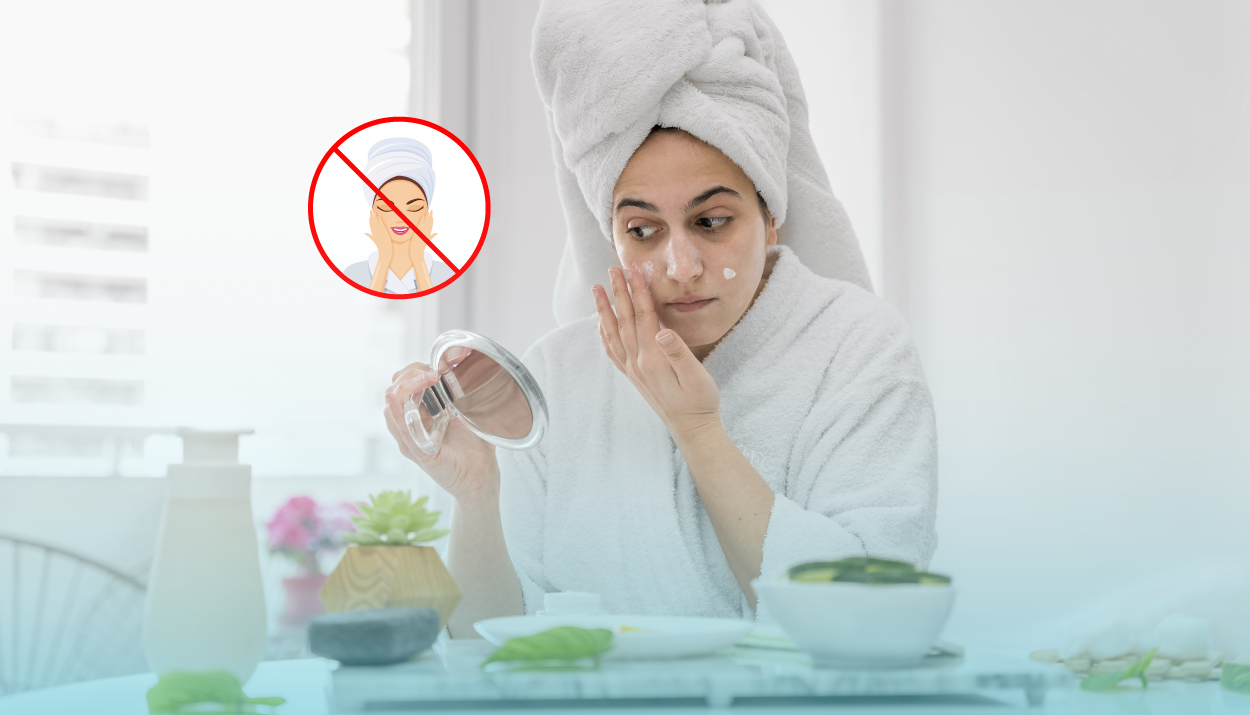

Walk into any beauty aisle or scroll through your feed, and you’ll be greeted with a flood of skincare “truths.” From friends swearing by homemade face packs to influencers pushing 10-step routines, it’s a skincare jungle out there. But not everything you hear or read actually works. In fact, many of these so-called tips are just long-standing skincare myths that refuse to die.
If you’ve ever wondered whether drinking more water alone will give you glowing skin or if sunscreen is only for summer, this blog is for you. Let’s bust some of the biggest skincare myths once and for all and uncover what really works and what definitely doesn’t.
Myth #1: Sunscreen is Only for Sunny Days
This is one of the oldest skincare myths in the book. Many people think sunscreen is just a summer essential, but UV rays don’t take a vacation when the clouds roll in. According to the World Health Organization, up to 80% of UV rays can penetrate clouds which means your skin still gets exposed even on gloomy days.
Truth: Sunscreen is a daily essential, rain or shine. UVA rays (the aging kind) are present all year round and can even penetrate through glass.
? What works: Use a broad-spectrum sunscreen with SPF 30 or higher, and reapply every 2–3 hours if you’re outdoors.
Myth #2: Drinking Lots of Water is the Secret to Perfect Skin
We’ve all heard it — “Just drink more water and your skin will glow.” While hydration is crucial for your overall health, there’s no scientific evidence that simply guzzling water will fix dry skin or banish acne.
Truth: Water hydrates your body, but your skin’s moisture levels depend more on external factors like humidity, skincare products, and barrier health.


? What works: Pair your hydration habits with a good moisturizer containing ingredients like hyaluronic acid, ceramides, or glycerin. These lock in moisture where it matters most.
Myth #3: Oily Skin Doesn’t Need Moisturizer
This one’s a classic skincare myth that’s led many people down the path of flaky, irritated skin. The logic seems sound — “My skin’s oily, so why add more moisture?” But skipping moisturizer can actually make things worse.
Truth: When you deprive your skin of hydration, it compensates by producing even more oil. This leads to clogged pores and breakouts.
? What works: Opt for a lightweight, oil-free moisturizer. Ingredients like niacinamide or squalane help balance oil production without clogging pores.
Myth #4: Natural Ingredients Are Always Better
The word “natural” sounds safe, doesn’t it? But just because something comes from nature doesn’t mean it’s good for your skin. Lemon juice, baking soda, and toothpaste are popular “DIY” skincare ingredients that can actually damage your skin barrier.
Truth: “Natural” isn’t always synonymous with “safe.” What matters is whether an ingredient is clinically tested and suitable for your skin type. Some synthetic ingredients are safer and more effective than their natural counterparts.
? What works: Choose dermatologist-tested products and check ingredient labels. Science-backed skincare always wins over DIY experiments.
Myth #5: Expensive Skincare Works Better
It’s tempting to think that the pricier the product, the more magical the results. But skincare isn’t about the price tag. It’s about the formulation.
Truth: A $15 moisturizer can outperform a $200 cream if it’s well-formulated. What you’re often paying for in luxury skincare is branding, packaging, and marketing and not necessarily results.


? What works: Focus on active ingredients like retinol, vitamin C, peptides, and SPF. These are the real game changers, no matter the brand name.
Myth #6: The More You Wash, the Cleaner and Better Your Skin
Washing your face feels good but overdoing it can strip away your skin’s natural oils and disrupt the microbiome, leading to dryness, irritation, and even breakouts.
Truth: Clean skin doesn’t mean squeaky clean. Twice a day is enough for most skin types.
? What works: Use a gentle, pH-balanced cleanser and avoid harsh scrubbing.
Myth #7: You Don’t Need a Night Routine
Many people think their skin doesn’t need attention at night. After all, you’re just sleeping, right? Wrong. Nighttime is when your skin goes into repair mode.
Truth: While you sleep, your skin regenerates and heals from daytime stress like pollution and UV exposure. Ignoring a nighttime routine means missing a key window for repair.
? What works: Cleanse gently, apply a serum (like retinol or niacinamide), and lock it in with a moisturizer. You’ll wake up looking fresher.
Myth #8: You’ll See Results Overnight
Sorry, but there’s no miracle product that transforms your skin in 24 hours.
Truth: It typically takes 6–12 weeks of consistent use to see visible results from most active ingredients.
? What works: Stick with your routine and give products time to show their magic.
Myth #9: Skincare Myths Are the Same Everywhere
Skincare myths often vary by culture and climate. For instance, in humid regions, people might skip moisturizer (a myth!), while in colder countries, many over-moisturize.
Truth: Skin health depends on lifestyle, genetics, and environment. What works in one country may not suit another.
? What works: Build a routine that suits your skin and climate. Universal skincare solutions don’t exist. Personalization is the key.
Myth #10: Skincare is Only About Products
While good skincare products are vital, glowing skin isn’t built in a bottle alone. Stress, diet, sleep, and even air quality play major roles.
Truth: Healthy skin starts from the inside out. Poor nutrition, dehydration, and stress can undo even the fanciest skincare routine.
? What works: Maintain a balanced diet rich in omega-3s, antioxidants, and vitamins, sleep well, and manage stress. Your skin reflects your lifestyle more than your serum shelf.
Let’s Make Skincare Smarter, Not Harder
Skincare can be confusing, but it doesn’t have to be. The truth is simple. Your skin doesn’t need 20 steps, miracle claims, or viral hacks. It needs consistency, understanding, and a bit of science.
Busting skincare myths is the first step toward building a routine that actually works.
FAQs: Skincare Myths Busted
- What’s the biggest skincare myth people still believe?
That more expensive products automatically mean better results. It’s the ingredients that matter, not the price tag.
- Are natural ingredients always safe for skin?
Not always. Some natural substances, like lemon juice or essential oils, can irritate or damage your skin if not used properly.
- How can I tell if a skincare tip online is reliable?
Check for dermatologist approval, peer-reviewed studies, or science-backed evidence. Avoid tips that sound too good to be true.
- Can drinking water alone clear my skin?
Drinking water supports overall health but won’t fix skin issues alone. Proper skincare and nutrition matter just as much.
- How long does it take to see real changes in skin health?
Typically, you’ll see noticeable improvements in 6–12 weeks of consistent, correct skincare practices.