
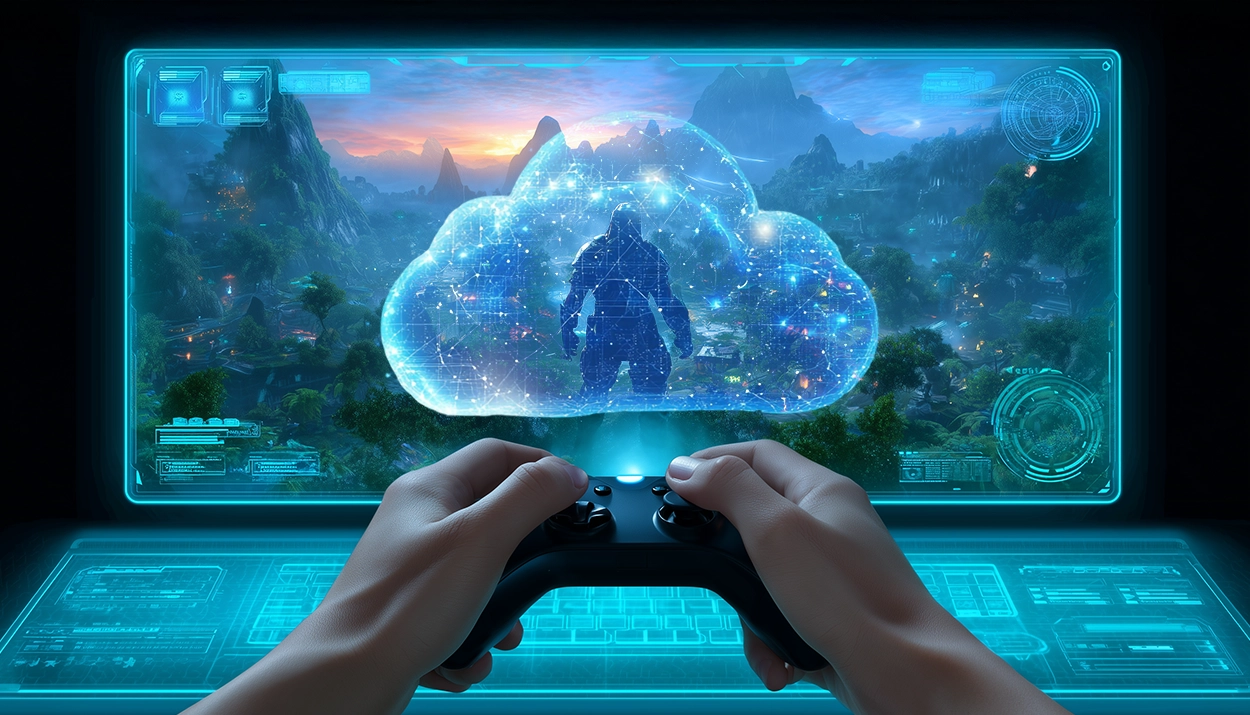

Mobile gaming has transformed from a simple pastime into the backbone of the gaming industry. What once started with basic puzzle apps and pixelated adventures has grown into a global powerhouse worth over $90 billion in revenue in 2023, accounting for nearly half of all gaming revenue worldwide.
With billions of players glued to their smartphones, the question is no longer whether mobile gaming is big—it’s how much bigger it can get. The future of mobile gaming lies in technologies like cloud streaming, artificial intelligence (AI), and immersive innovations that promise to change not just how we play but what gaming means in everyday life.
Cloud Gaming Is Redefining Mobile Play
Downloading large files, waiting through endless updates, and constantly running out of storage are struggles every mobile gamer knows too well. Cloud gaming offers an answer. By streaming games directly to devices, it removes the need for high-end hardware or huge downloads. In essence, your phone becomes a window to a much bigger world, powered by servers in the cloud.
The appeal is clear. You could start a game on your phone during your commute, continue it on your laptop at home, and pick it up again on your TV—all without losing progress. With companies like Xbox Cloud Gaming and NVIDIA GeForce Now leading the charge, streaming is no longer a futuristic concept but an active part of the gaming ecosystem. According to research, the global audience for cloud gaming could cross 300 million players by 2030, with mobile devices driving much of that growth.
AI and Personalization Are Changing the Rules
Artificial intelligence is already woven into mobile gaming, though many players may not even realize it. Matchmaking systems, dynamic difficulty levels, and recommendation engines are all powered by AI. But what lies ahead takes things much further.
Future mobile games will adapt in real-time to a player’s skill level, ensuring challenges that are neither too easy nor frustratingly hard. Non-playable characters (NPCs) will stop acting like predictable robots and instead respond more intelligently, creating richer storytelling. AI may even design levels and quests on the fly, giving gamers a unique experience every time they play.
Research suggests that AI-driven personalization could improve player engagement by up to 20%, which is huge in a market where user retention is a constant battle. For gamers, this means more fun and fewer moments of feeling stuck or bored. For developers, it’s a way to keep audiences loyal and invested.



5G, AR, and VR Are Expanding the Experience
Beyond cloud and AI, the future of mobile gaming is also being shaped by faster networks and immersive technologies. The rollout of 5G is particularly significant. With its near-zero latency, it enables seamless multiplayer experiences, high-quality streaming, and larger-scale games that were previously impossible on mobile devices.
Augmented reality (AR) has already shown its potential with titles like Pokémon GO, which turned city streets into virtual playgrounds. Future AR games will blend the digital and physical even more seamlessly, adding layers of interactivity to everyday environments. Virtual reality (VR) on mobile, while still in its early stages, is also advancing quickly with lightweight headsets and improved graphics capabilities. Together, these technologies are creating a gaming experience that moves beyond the screen and into the real world.
Benefits of the Next Era of Mobile Gaming
The convergence of these innovations will bring several benefits to both players and the industry.
- Accessibility: Cloud gaming ensures that high-quality experiences aren’t restricted to expensive consoles.
- Affordability: With fewer hardware requirements, gamers save money while still enjoying premium content.
- Global Connectivity: Multiplayer gaming will become smoother and more inclusive across regions.
- Endless Creativity: AI-powered design and immersive tech will deliver fresher, more varied experiences.
Challenges That Need Addressing
The road ahead isn’t without obstacles. Cloud gaming demands strong internet connections, which can be costly or unreliable in many regions. AR and VR, while exciting, require devices powerful enough to run them, creating a barrier for some players. Monetization is another sticking point. The industry must strike a balance between profitability and fairness, avoiding the overuse of microtransactions that frustrates gamers. And with AI gathering player data, privacy concerns will only grow louder.
The success of the future of mobile gaming will depend on how well companies can navigate these challenges while still keeping the joy of play at the center.
FAQs on the Future of Mobile Gaming
- What is the future of mobile gaming?
The future of mobile gaming will be shaped by cloud streaming, AI personalization, AR, VR, and 5G, making games more accessible, intelligent, and immersive.
- Will cloud gaming replace traditional mobile games?
Not entirely. While cloud gaming will grow, offline and downloadable games will remain popular, especially in areas with weaker internet.
- How will AI change mobile games?
AI will improve difficulty balance, make NPCs smarter, and even generate new content, keeping games engaging and personalized.


- What role will AR and VR play in mobile gaming?
AR and VR will add immersive layers to gaming, creating experiences that merge the real and digital worlds without replacing traditional formats.
- Can gamers earn money in the future of mobile gaming?
Yes. With eSports, live streaming, and in-game economies, mobile gaming will continue opening up income opportunities for skilled and dedicated players.