
Every few years we witness a regulatory decision that quietly changes the game in consumer safety. This time, the spotlight is on fake ORS, a term that until recently masqueraded in the Indian marketplace and endangered lives. The directive issued by the Food Safety and Standards Authority of India (FSSAI) to ban beverages and food items from using the label “ORS” unless they meet medically approved standards marks a major health win for India.
Why this matters
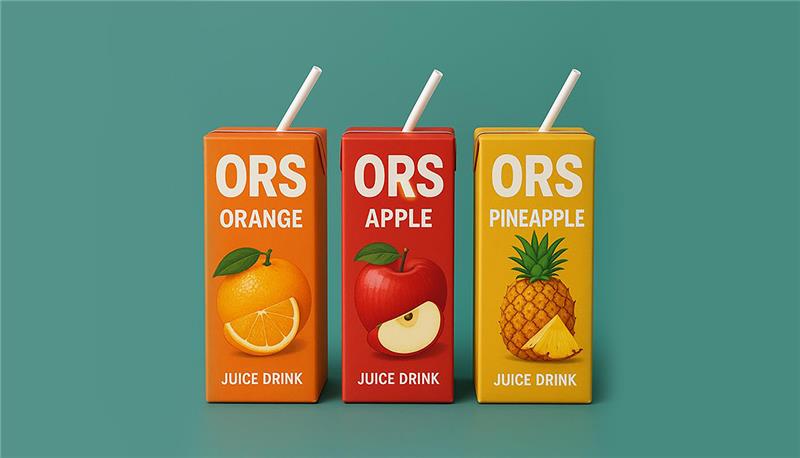
Many of these “ORS-labelled” products were simply flavoured drinks with high sugar and inadequate electrolyte composition. That means, instead of helping with dehydration, they could actually worsen it. A paediatrician from Hyderabad, Dr Sivaranjani Santosh, spent eight years documenting such cases before the regulator stepped in.
For children, older adults and anyone facing diarrhea, vomiting or heat-exhaustion, real Oral Rehydration Solution (ORS) is a life-saving formulation. This ban on fake ORS means fewer misleading products, improved label-clarity, and safer choices for households across India.
What is ORS and why safe formulation matters
An oral rehydration solution (ORS) is a precisely formulated fluid recommended by the World Health Organization (WHO) to treat dehydration caused by diarrhea, vomiting, or overheating. The correct mix of water, glucose, and salts (sodium, potassium, chloride) allows the body to absorb fluid efficiently and restore balance.
The danger of “fake ORS”
When a product labelled ORS doesn’t meet these standards, the consequences can be serious. For instance:
- Excess sugar may draw water into the gut rather than into the bloodstream, worsening dehydration.
- The electrolyte ratio may be inadequate, meaning the body doesn’t rehydrate as intended.
- Misleading label claims can cause caregivers to use the product instead of real ORS packets or medical advice.
One parent recounted how a child in Chennai was given a tetra-pack drink labelled “ORS” after loose stools; instead of improving, the child’s condition worsened and landed in ICU.
This is why the regulatory change against fake ORS products is overdue and critical.


The regulatory breakthrough
On 14 October 2025, FSSAI issued a directive clarifying that the use of “ORS” in the name of any food or beverage product whether as a prefix, suffix or part of a brand is a violation unless the product meets the true ORS formulation.
Earlier permissions, which had allowed the term “ORS” with a disclaimer (“not ORS formula as recommended by WHO”), have now been withdrawn.
The change applies immediately, meaning manufacturers and distributors must comply fast or face penalties under the Food Safety and Standards Act, 2006.
The role of Dr Santosh and others
Dr Sivaranjani Santosh’s advocacy was central. Over eight years, she collected clinical case-reports, engaged with regulators, filed petitions and mobilized public support.
Her message: ORS isn’t a marketing term. It’s a medical formulation. And children and vulnerable adults should not be misled. When the regulator finally backed her call, it signalled a shift in accountability.
What this means for consumers
As a consumer, here’s what the directive delivers:
- Products labelled “ORS” will now either have to meet the formula or remove the term entirely.
- Manufacturers will likely recast labels; disclaimers will be removed; sugar and salt content may undergo review.
- You can read labels more confidently: if a drink is labelled “ORS” but marketed like a flavored drink — question it!
How to protect your family
- Check the label. Real ORS will mention WHO-approved or go by medical packet form.
- Avoid relying on generic “ORS-type” beverages for serious dehydration. Seek medical advice or use genuine ORS sachets.
- Be aware of high-sugar drinks marketed as rehydration solutions. They may not do what you expect.
- If you spot an “ORS” label that appears questionable, report it to FSSAI’s consumer portal or local retailer.
Share Your Opinion. It Matters!
With this regulatory win, the next phase is strong consumer participation. Platforms like The Panel Station allow you to:
- Share feedback on health & food product safety
- Participate in surveys about trust in product labelling and health claims
- Earn rewards (gift cards, points) for your participation
How your action drives change
By completing simple surveys, you help brands, policymakers and regulators:
- Recognize consumer perceptions around health claims and packaging
- Design better products that meet safety and transparency standards
- Highlight counterfeit or misleading claims in the market
Quick steps to get started
- Download The Panel Station app or register on the website
- Complete your profile (health, food preferences, trust in labels)
- Look out for surveys on health product safety or consumer awareness
- Redeem your points for rewards — and know you’re helping protect lives, not just earning
Toward Stronger Consumer Health Ecosystems
This “fake ORS” ban is more than just a label change — it reflects:


- The importance of public health advocacy (individuals like Dr Santosh making change)
- The need for transparent labelling in a market flooded with “healthy-looking” but misleading products
- The power of consumer voices embedded via survey platforms and community feedback
What to watch next
- Will manufacturers comply fully?
- Will new products claim “rehydration” without meeting standards?
- Will states and regulatory bodies step up enforcement?
- Will consumer awareness (via education, campaigns) rise so people question claims rather than assume trust?
Your participation (in surveys, feedback) helps answer these questions and shape the future.
Conclusion
The ban on fake ORS-labelled products is a major health victory for India and a reminder that vigilance matters. When you scan a label, buy a drink for a child with diarrhea, or check a product’s claims, you are part of the story.
At the same time, The Panel Station gives you a dual opportunity: make your voice heard on health product safety and earn rewards for your insights.
Be alert. Be empowered. And by taking part, whether via a survey or simply reading labels, you help shift the landscape toward safer choices for everyone.