
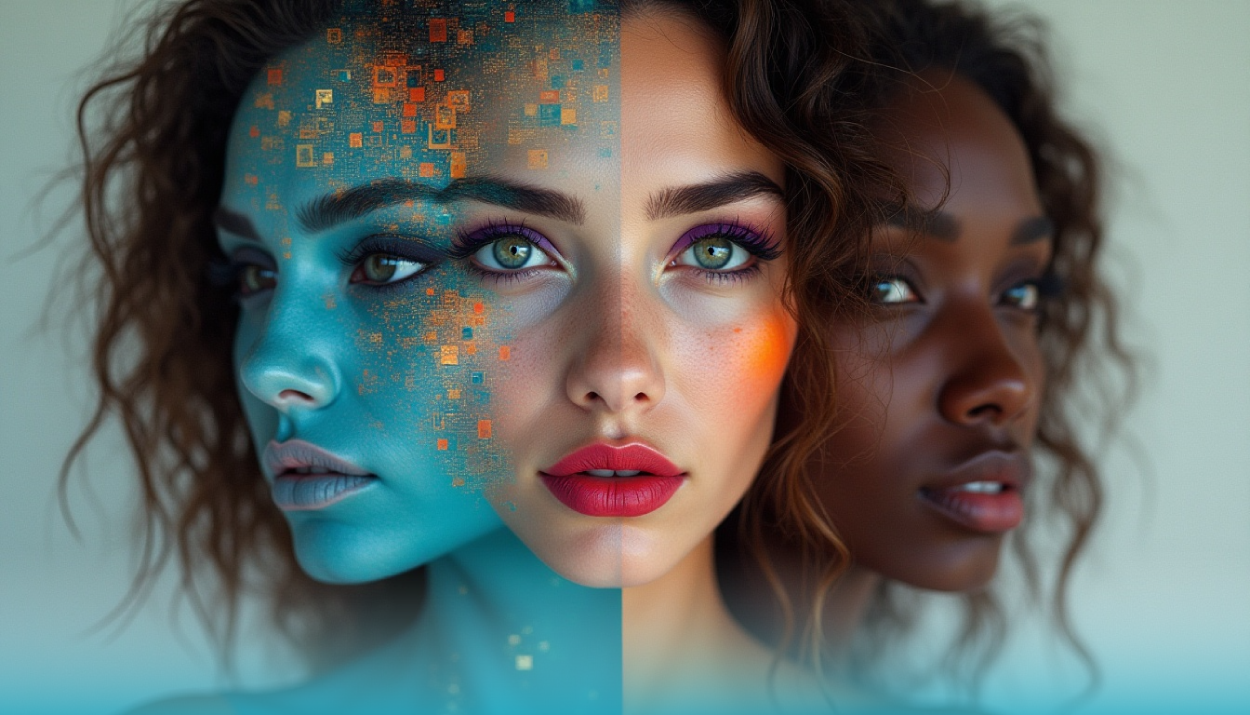

The conversation around the ethics of AI photo edits is heating up. With the rise of advanced editing tools and AI-powered platforms, it has become easier than ever to manipulate photos, videos, and even voices so convincingly that they blur the line between what’s real and what’s not. While this technology opens doors for creativity, efficiency, and accessibility, it also poses serious ethical concerns like privacy violations and misinformation to eroding trust in digital content.
In this blog, we’ll unpack why the ethics of AI photo edits matter, the risks of crossing moral boundaries, and how both individuals and brands can use this technology responsibly.
Why the Ethics of AI Photo Edits Matter
Lifelike edits are no longer limited to Hollywood or high-budget campaigns. They’ve entered everyday life. Whether it’s enhancing selfies, generating lifelike avatars, or editing marketing visuals. The convenience is undeniable, but so is the risk. According to a 2023 global survey by Adobe, nearly 76% of people worry about distinguishing real content from altered or AI-generated edits.
When edits become too real, they can lead to:
- False representation of people, events, or brands.
- Manipulation in political or social narratives.
- Identity theft or misuse of personal likeness.
The ethics of AI photo edits, therefore, isn’t just a tech issue, it’s a societal one.
The Bright Side of Lifelike Edits
Before we talk about the risks, let’s acknowledge the benefits. When used responsibly, lifelike AI photo edits can be:
- Creative boosters: Artists and creators use AI edits to bring imaginative concepts to life.
- Accessibility enablers: Tools can help people with disabilities visualize or communicate ideas more easily.
- Business enhancers: Brands can save time, money, and resources in creating compelling campaigns.
- Personal confidence builders: From photo touch-ups to virtual try-ons, lifelike AI photo edits can make everyday experiences more fun and engaging.
Where Lifelike Edits Cross the Ethical Line
The trouble starts when lifelike AI photo edits are used without transparency, consent, or accountability. Let’s break this down.


- Consent Violations
One of the biggest ethical concerns is editing or fabricating content featuring people without their permission. This could mean putting someone’s face on another body, editing conversations to change intent, or creating fake scenarios. Not only is this unfair, but it also infringes on individual rights and privacy.
- Erosion of Trust
If everything online can be manipulated, how do we know what’s real? From fake celebrity endorsements to staged product reviews, lifelike edits have the power to break the fragile trust between consumers and content. Once trust is lost, rebuilding it is nearly impossible.
- Misuse in News and Politics
Deepfake videos and highly realistic edits have already been used to spread false information in global elections and sensitive social debates. In these cases, lifelike edits are not just unethical but also dangerous.
- Body Image and Mental Health
Editing tools that alter appearances can distort perceptions of beauty, leading to unrealistic standards and affecting self-esteem. A 2022 Dove study found that 8 in 10 girls globally are using filters or apps to change their appearance before posting online. The ethics of lifelike edits here becomes a question of social responsibility.
Balancing Creativity and Ethics in Lifelike AI Photo Edits
So, how do we embrace the power of lifelike edits while keeping ethics front and center? Here are a few practices that can help:
For Individuals
- Always seek consent before editing someone else’s likeness.
- Always disclose when a photo, video, or voice recording has been altered.
- Avoid editing others’ content without permission.
- Use watermarks or labels when sharing highly edited creations.
- Limit lifelike edits in sensitive contexts like news or politics.
For Brands
- Establish internal guidelines for ethical editing.
- Maintain transparency with customers, especially in ads.
- Leverage lifelike edits to inspire, not deceive.
For example, Nike often uses high-tech visuals to showcase performance but stops short of making unrealistic claims about what their products can do. That’s a balance of creativity and honesty.
Pros and Cons of Embracing Lifelike Edits
Pros


- Enhanced engagement – Eye-catching content grabs attention in crowded digital spaces.
- Cost efficiency – AI edits save time and resources compared to traditional production.
- Creative freedom – Unleash innovative ideas not possible with raw content.
- Personalization – Content can be tailored to individuals for better experiences.
Cons
- Risk of deception – Misleading edits damage credibility.
- Misinformation – False narratives spread quickly online.
- Legal implications – Copyright and consent issues can lead to lawsuits.
- Social harm – Unrealistic portrayals can harm mental health or influence public opinion unfairly.
How the Ethics of Lifelike Edits Affect Society
The conversation is not just about editing; it’s about the kind of digital world we want to live in. If lifelike edits are used responsibly, they can enrich communication, foster creativity, and even democratize storytelling. But when ethics are ignored, they can cause irreversible damage to trust, safety, and social well-being.
As global citizens, the responsibility lies with all of us—creators, brands, and consumers alike—to draw a clear line between creativity and deception.
Technology will keep evolving, but our values and choices will determine how it shapes our lives. By combining creativity with responsibility, we can ensure lifelike AI photo edits remain tools for progress rather than weapons of manipulation.
Frequently Asked Questions
Q1. What are lifelike AI photo edits?
Lifelike edits are realistic changes made to photos, videos, or audio using tools or AI, often so convincing that they appear natural.
Q2. Why are the ethics of lifelike edits important?
Because they affect trust, privacy, and truth in digital content. Without ethics, lifelike edits can easily mislead or harm.
Q3. Are lifelike edits always harmful?
No. When used responsibly, they can improve creativity, marketing, accessibility, and personalization. The harm comes from misuse.
Q4. How can brands use lifelike edits ethically?
By being transparent about edited content, respecting user consent, and avoiding misleading claims in advertisements.
Q5. Can lifelike AI photo edits be regulated?
Some countries are working on regulations for AI and deepfakes, but global standards are still evolving. Responsible self-regulation is key.