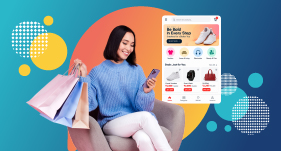
Consumers switch brands, share negative experiences, and become more cautious about trying new products.
🛡️ Brand Trust — Global Study
What Makes Consumers Trust a Brand in 2026? New Data Reveals All
What makes you truly trust a brand in 2026?
Is it the quality that never wavers, the transparency that builds confidence, or the experience that keeps you coming back? The latest Brand Reality Check 2026 explores how global consumer trust is shifting and where your brand strategy fits in.
💬 Global Participants: 213,000
🌍 Countries: 25
🗓️ 2026
⏱ 3 Min Read
What Matters Most to Customers
0
%
Quality undisputed king
Personal experience ultimate trust validator
0
%
Skyrocketed Expectations
0
%
First impressions happen immediately
0
%
Reviews drive brand choice
%
Brand Reality Check 2026: Key Data Summary
01 // The Trust Breaker
57%
Stopped using a brand
Poor quality is the #1 reason (71%), followed by price increases (45%) and bad experiences (38%).
02 // The Foundation of Trust
95%
Extremely Important to brand trust
Quality is non-negotiable – the bedrock of any successful brand strategy.
03 // Experience Over Advertising
72%
Personal experience is the biggest influence
“After personally trying the product” is the ultimate validator, far outpacing advertising (8%).
04 // The Expectation Gap
68%
Much Higher expectations from brands
Demand for transparency, innovation, social responsibility, and value is rising fast.
05 // The Speed of Judgement
26%
Form an opinion about a new brand
First impressions happen fast – 38% more decide after checking reviews.
06 // Social Proof Sells
63%
Motivating factor
Positive reviews drive new customer acquisition. Recommendations (58%) are equally powerful.
07 // Your Turn
YOU
What’s your World Safety Rating?
Add your score to the global picture — 2 minutes, anonymous.
Have you ever stopped buying from a brand because it disappointed you?
See how your experience compares with consumers across 25+ countries.
THE BIG PICTURE
Trust Means More Than Brand Recognition
In an era of endless choice and instant access to information, trust has become one of the most valuable assets a brand can earn. Consumers are looking beyond logos and advertising, choosing brands that consistently deliver quality, transparency, and experiences they can rely on. This shift is redefining what it takes to build lasting customer relationships.
We asked 213,000 consumers across 25 countries about their relationships with brands – what earns their loyalty, what breaks it, and what they expect now compared to just three years ago. The answers reveal a consumer base that is more informed, more demanding, and far less forgiving.
Five Shifts Reshaping Brand Trust
1. Trust Is Earned Every Day And Lost in a Moment
Brand loyalty has become increasingly conditional. Consumers no longer remain loyal simply because a brand is familiar. Every purchase, interaction and customer service experience contributes to the trust equation.
Trust is hard to earn but easy to lose. Nearly 57% of consumers stopped using a brand in the past year after losing confidence. Poor product quality remains the biggest deal-breaker (71%), followed by price increases (45%) and negative customer experiences (38%). Even seemingly smaller frustrations, such as slow service (24%) and unclear communication (22%), are enough to drive consumers away.
2. Quality, Transparency and Empathy Form the New Trust Equation
Trust is no longer built on a single promise, it is earned through three interconnected pillars.
Quality remains the strongest foundation, with 95% of consumers considering it extremely important. Consumers expect products to perform consistently, every time.
Transparency has become equally important. People increasingly want clear information about pricing, ingredients, sourcing, business practices and company values before making purchase decisions. 85% say brand transparency about product details is “extremely important” to trust.
Empathy completes the equation. 74% of consumers rated customer service as “extremely important” to their trust in brands. Responsive customer service, honest communication and effective problem-solving reinforce consumer confidence when expectations aren’t met.
3. Personal Experience Has Become the Ultimate Brand Validator
Consumers increasingly rely on their own experiences before deciding whether a brand deserves their loyalty. Positive product performance, reliable service and consistent delivery reinforce confidence in ways no campaign can replicate.
72% of consumers say their own experience with a product is the biggest influence on trust, far ahead of advertising or social media. In today’s marketplace, trust is built through consistent delivery not promotional messaging.
When you discover a new brand, what catches your attention first?
Tell us what matters most to you.
4. First Impressions Are Formed Faster Than Ever
In an increasingly connected marketplace, brands have only a short window to establish credibility. Consumers rarely give brands multiple opportunities to make a good impression.
26% of consumers form an opinion about a new brand immediately on first sight. A further 38% decide after checking reviews, meaning that by the time most consumers have engaged with a brand for more than a few minutes, a judgment has already been made. Digital touchpoints from websites and packaging to ratings and social media collectively shape perceptions within moments.
5. Social Proof Has Become the New Brand Currency
Trust has always been influenced by people but today’s recommendations travel faster than ever. Positive reviews motivate 63% of consumers to try a new brand, while recommendations from family and friends remain among the strongest trust signals.
Consumers increasingly believe real experiences shared by other consumers over carefully crafted marketing messages. Authentic advocacy has become one of the most valuable assets a brand can earn.
THE WINNING FORMULA
The Eight Signals of Brand Trust
The research highlights eight behaviours that consistently strengthen consumer confidence.
Product Quality
Reliable products remain the strongest foundation of trust.
Past Experience
Positive experiences encourage repeat purchases and loyalty.
Brand Transparency
Honest communication builds confidence and reduces uncertainty.
Recommendations
Trusted opinions from friends and family strongly influence decisions.
Reviews & Ratings
Social proof helps consumers evaluate unfamiliar brands.
Consistency
Delivering the same high standard across every interaction reinforces reliability.
Customer Service
Responsive support demonstrates accountability and care.
Social Responsibility
Ethical business practices increasingly influence long-term trust.
The Future of Brand Trust
Consumers have entered a new era of decision-making where trust is shaped less by promises and more by proof.
Brands that consistently deliver quality, communicate transparently and respond with empathy will continue to strengthen customer relationships. Those that rely solely on visibility or brand reputation risk losing relevance in a marketplace where every experience is shared, reviewed and remembered.
In 2026, trust is no longer a marketing objective, it is a business strategy. Every interaction, every product and every customer experience either strengthens the relationship or weakens it.
What Shapes Your First Impression?
Take the survey and discover what influences consumer trust around the world.
FAQ's
1. What makes people trust a brand in their daily lives?
Quality, consistency, transparency, and personal experience are the top factors.
2. Why are price increases a major trust concern?
Consumers expect clear communication about value. Unjustified price hikes signal that a brand prioritizes profit over customers.
3. How can I improve my brand's trustworthiness?
Focus on consistent quality, be transparent about your practices, listen to feedback, and respond to issues quickly and empathetically.
4. How can brands stay safe online?
Protect customer data, be clear about privacy policies, and communicate openly about security measures.
5. How do trust concerns influence everyday behavior?
6. How can communities create a more trustworthy brand environment?
Encourage open dialogue, share honest reviews, and support brands that demonstrate ethical behavior.
7. What role does technology play in improving trust?
Digital platforms enable transparency, provide access to reviews, and allow for faster, more responsive customer service.
8. Why is understanding public perceptions of trust important?
Because trust drives loyalty, and loyalty drives sustainable growth in a competitive market.
Enjoying Our Content?
Make Panel Station a preferred source on Google to see more of our content when it is relevant to you
at a glance
Global Participants
213,000
Countries Covered
25
Topic
Brand Trust
Survey time
~3 min
Published Date
3rd July'2026
Author
Shamin Pereira


— Yay! You’ve finished reading the trends.
Ready to take the next step?
Now it’s time to help shape future trends by sharing your everyday experiences on Panel Station.